
Nutrition Eat, Think, Live: Eat and Live Well, Live Long.
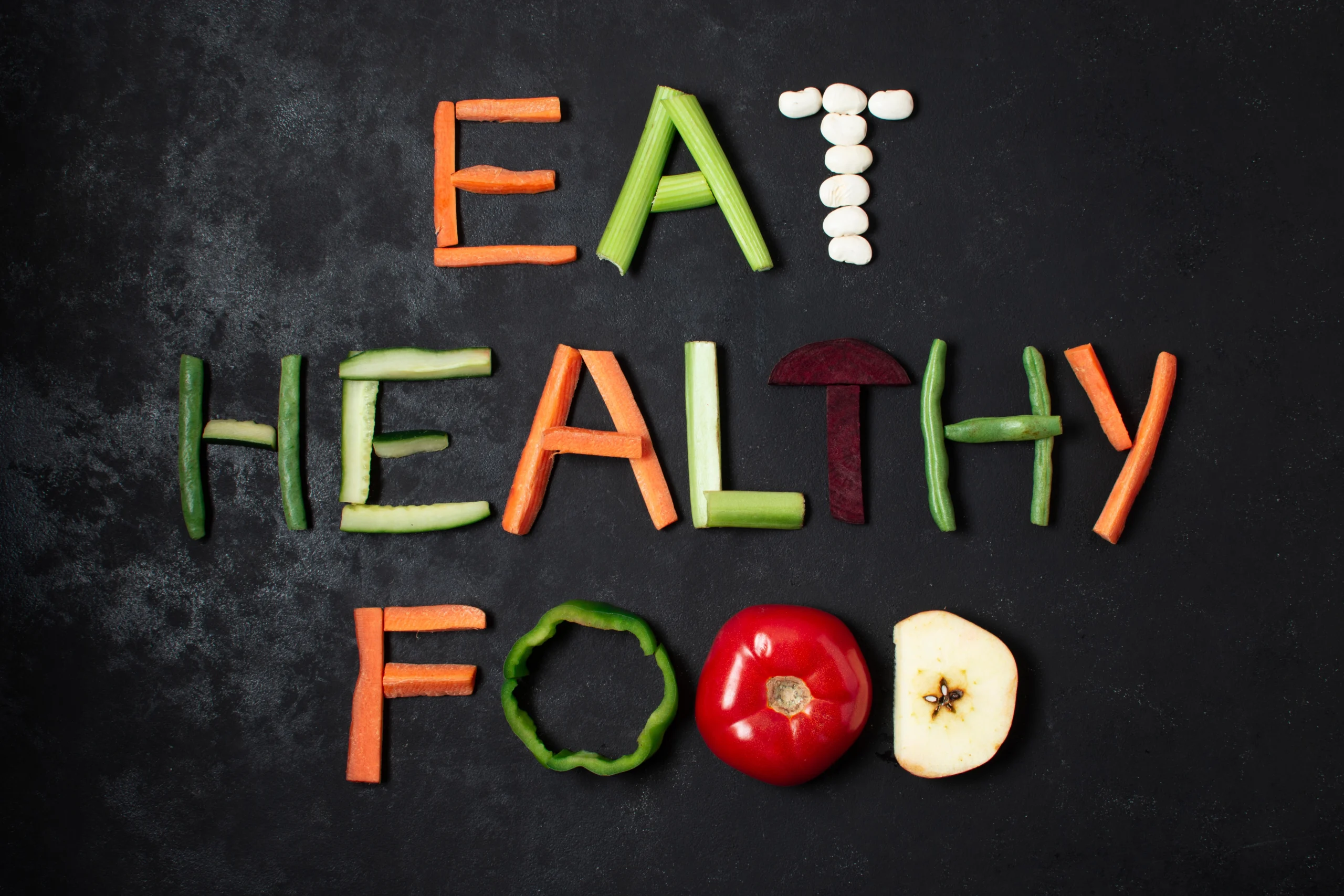
The education of nutrition is often mixed with dieting, calorie counting and strict food policy. As a matter of fact, nutrition awareness is interested in the relationship that exists between food and the body in more than making a temporary satisfaction. The food we eat defines the energy amount, digestive ability, memory, mental stability, resistant to diseases and ultimately the wellbeing. When taken consciously and not with restraint, nutrition is a way of balance rather than being a form of stress.
One of the most common mistakes that people make is to eat just because of convenience. regenerative therapy dubai The busy time subjected to has led to the intake of fast foods, unnatural diets and eating of highly processed food stuffs. Even though they assist in saving time, they might cause energy crashes, improper digestion and craving. Nutrition awareness is based on the fact that quantity of food one eats is not important, but the quality of food and the time one eats are what matter.
Eating to revive will mean taking foodstuffs that enhance sustained energy and not immediate spurts. Fully processed food may provide speedy solution though it may result in short-term charge of energy that may be acquired shortly after one consumes the food. Healthy foods, conscious mixtures and entirety keep the levels of the blood sugar stable and provide the energy supply throughout the day. Being aware enables one to be sensitive to the impact different foods may have on his or her emotions as opposed to how fulfilled he or she feels.
Mindful eating is one of the nutrition awareness principles. Eating under distraction such as watching TV or stress leads to disruption of digestion. Peaceful attention to the body should be allowed to supply the body with nutrients. Food intake, chewing of food, and detection of hunger and fullness are the crucial aspects that increase the comfort of the digestive system and nutrient utilization.
Hydration: This is also a central issue in nutrition that is disregarded. The lack of water is accompanied by numerous side effects such as fatigue, headache, and the inability to concentrate. People are normally at a loss of what to do when they are hungry or when they are thirsty, hence they find themselves snacking even when they do not need it. Nutrition awareness refers to the fact that hydration is not a secondary issue of nutrition.
Another special factor of nutrition awareness is portion balance. Over intake of food, whether healthy or not, will saturate the digestion and reduce energy. Other reasons that cause under-eating are a feeling of fatigue and shortage of nutrients. Consciousness encourages one to follow his/her inner voices and not the external laws. Meal equates promote steady energy with no soreness.
Timing of meals is also a factor of wellness. Skipping or having meals in an irregular fashion places the body at a stress mode, which disrupts metabolism and concentration. The fact that the meals are frequent serves to sustain the digestive process and to prevent over hunger leading to false preferences in the food. Nutrition awareness does not think that there is perfection but consistency.
The other aspect in which the awareness is required is the emotional eating. The choice of food is typically affected by stress, boredom and fatigue that is generally made in an unconscious way. Nutrition awareness helps the individuals to distinguish between physical hunger and emotional stimuli. The information will reduce guilt and encourage healthy coping habits.
Nutrition awareness is long-term and is related to the sustainability. Radical diets may only work in the short term but they will most probably not work in the long term. Natural, peaceful practices are more preferable and less straining. Consistency is inherent whereby the food choices are guided by the lifestyle and enjoyment.
The second detail that is not addressed is the social context of food. Food tastes much better under a positive environment that is relaxed and improves digestion and satisfaction. Nutrition awareness entails the knowledge about the influence of atmosphere, stress and pace on the eating behavior.
Lastly, nutrition awareness has no control, but knowledge. People will be able to make decisions without being influenced when they understand the effects of food on their energy, digestion, mood. Nutrition proves to be facilitating and not baffling.
A healthy diet and maintaining balance will develop a platform towards long-term wellness. Nutrition is a type of power, not an issue that we need to urgently get rid of every day by means of conscious activity, drinking, eating, and knowing about oneself.